企業(yè)信息 Information
| 企業(yè)信息 | 經(jīng)營(yíng)范圍 |
|
公司名稱:北京貝斯曼信息技術(shù)有限公司 法人代表:奉華成 注冊(cè)地址:北京市海淀區(qū)中關(guān)村大街22號(hào)五層A座105 |
所屬行業(yè):軟件和信息技術(shù)服務(wù)業(yè) 更多行業(yè):其他未列明信息技術(shù)服務(wù)業(yè),其他信息技術(shù)服務(wù)業(yè),軟件和信息技術(shù)服務(wù)業(yè),信息傳輸、軟件和信息技術(shù)服務(wù)業(yè) 經(jīng)營(yíng)范圍:技術(shù)開發(fā)、技術(shù)推廣、技術(shù)轉(zhuǎn)讓、技術(shù)咨詢、技術(shù)服務(wù);計(jì)算機(jī)系統(tǒng)服務(wù);銷售自行開發(fā)后的產(chǎn)品。(企業(yè)依法自主選擇經(jīng)營(yíng)項(xiàng)目,開展經(jīng)營(yíng)活動(dòng);依法須經(jīng)批準(zhǔn)的項(xiàng)目,經(jīng)相關(guān)部門批準(zhǔn)后依批準(zhǔn)的內(nèi)容開展經(jīng)營(yíng)活動(dòng);不得從事本市產(chǎn)業(yè)政策禁止和限制類項(xiàng)目的經(jīng)營(yíng)活動(dòng)。) |
聯(lián)系我們 Contact
電話:8286374**
地址:北京市海淀區(qū)中關(guān)村大街22號(hào)五層A座105
郵箱:hnk**[email protected]
網(wǎng)址:www.yongtongprinting.com
企業(yè)簡(jiǎn)介 Introduction
北京貝斯曼信息技術(shù)有限公司成立于2007年10月17日,注冊(cè)地位于北京市海淀區(qū)中關(guān)村大街22號(hào)五層A座105,法定代表人為奉華成。經(jīng)營(yíng)范圍包括技術(shù)開發(fā)、技術(shù)推廣、技術(shù)轉(zhuǎn)讓、技術(shù)咨詢、技術(shù)服務(wù);計(jì)算機(jī)系統(tǒng)服務(wù);銷售自行開發(fā)后的產(chǎn)品。(企業(yè)依法自主選擇經(jīng)營(yíng)項(xiàng)目,開展經(jīng)營(yíng)活動(dòng);依法須經(jīng)批準(zhǔn)的項(xiàng)目,經(jīng)相關(guān)部門批準(zhǔn)后依批準(zhǔn)的內(nèi)容開展經(jīng)營(yíng)活動(dòng);不得從事本市產(chǎn)業(yè)政策禁止和限制類項(xiàng)目的經(jīng)營(yíng)活動(dòng)。)
產(chǎn)品大全 Product
-
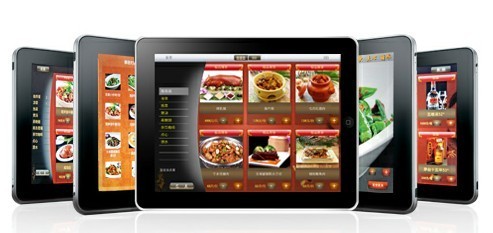
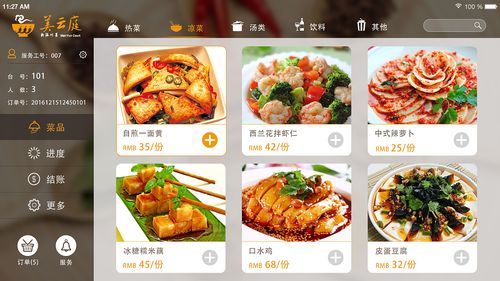
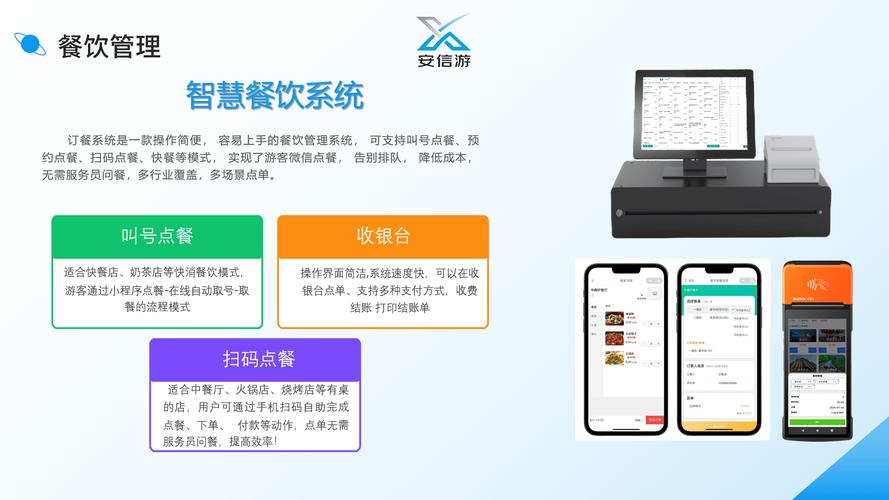
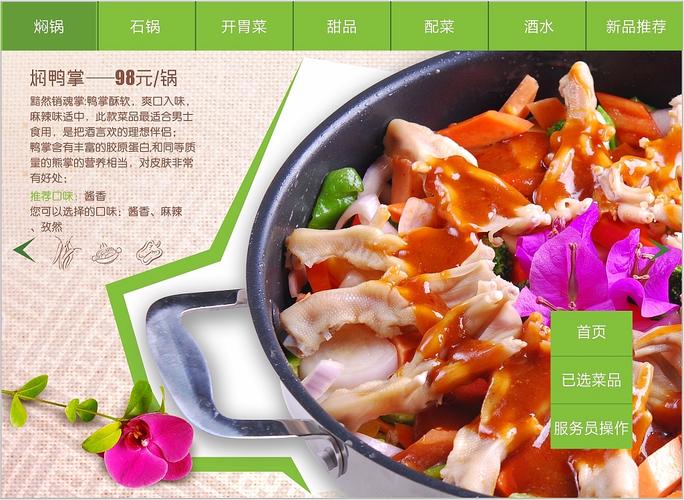
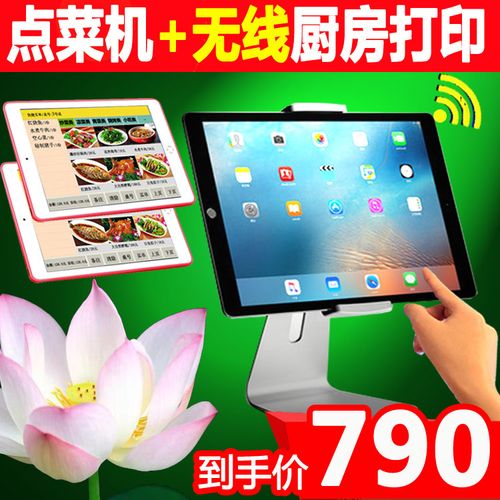
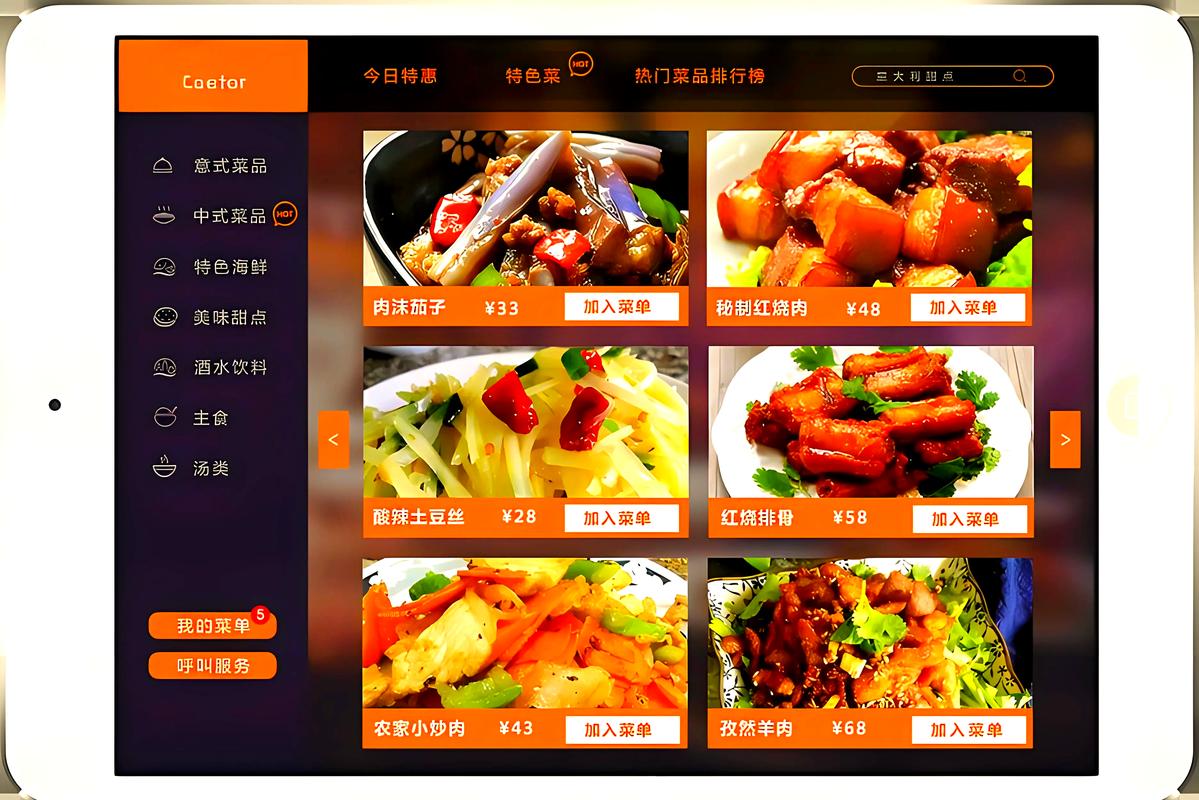
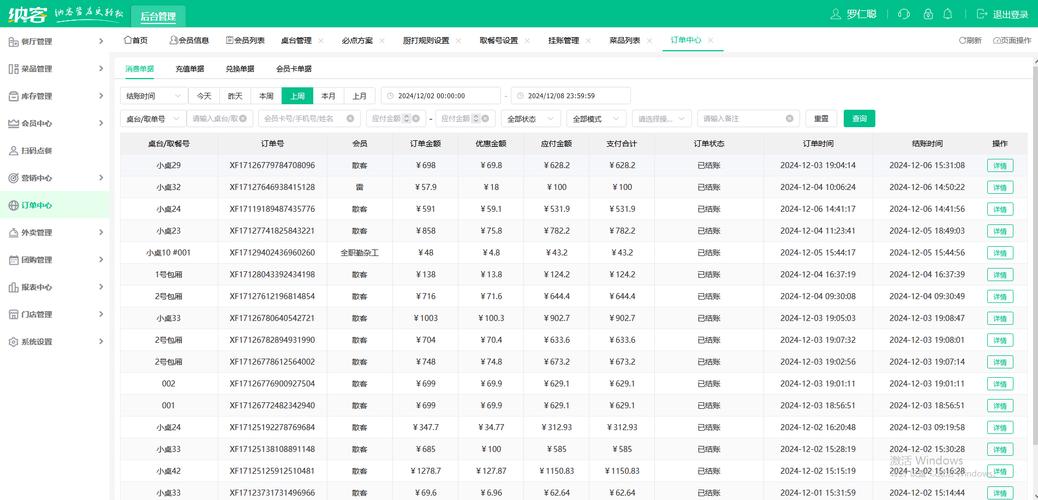
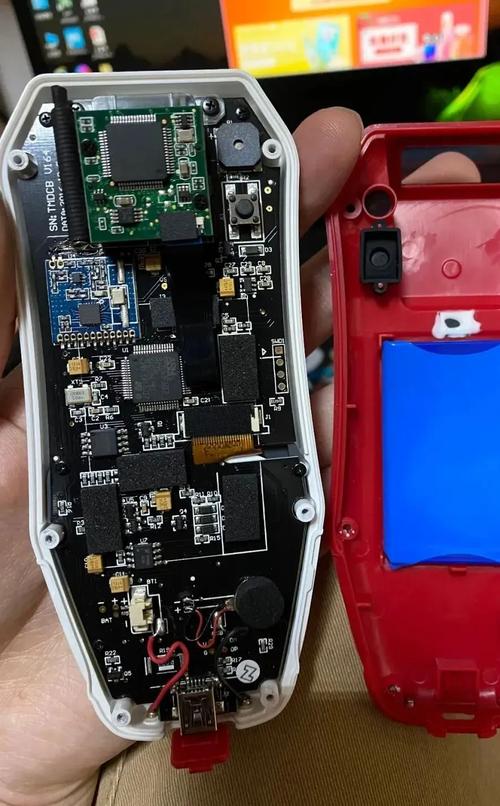
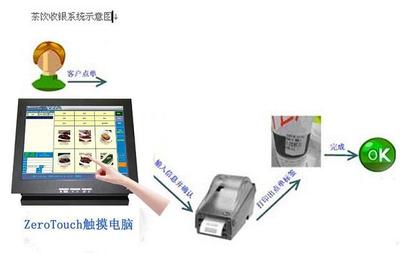
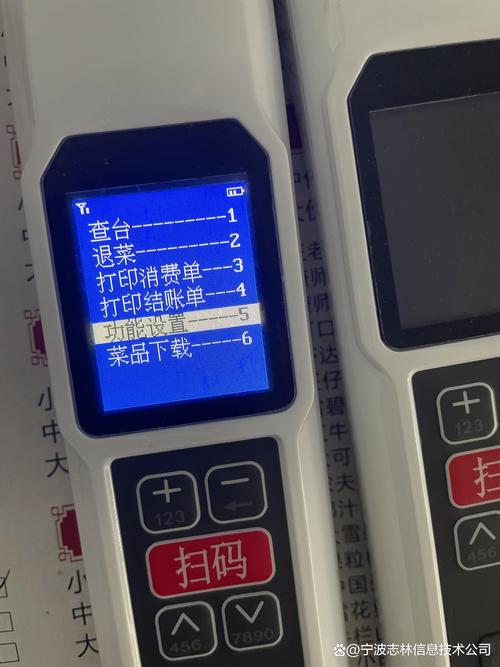
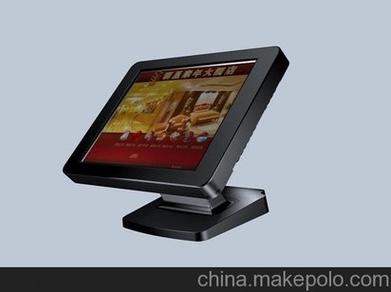
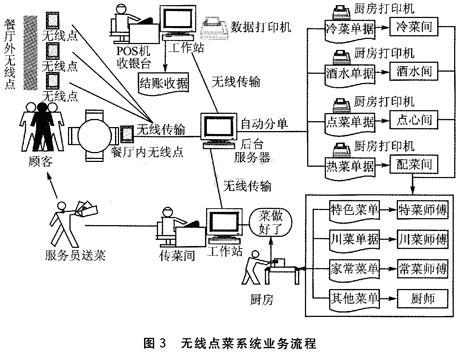
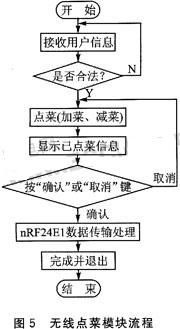
 無(wú)線點(diǎn)菜系統(tǒng) 餐飲業(yè)數(shù)字化轉(zhuǎn)型的利器——訪資深餐飲計(jì)算機(jī)管理系統(tǒng)專家
更新時(shí)間:2026-09-25 11:43:50
無(wú)線點(diǎn)菜系統(tǒng) 餐飲業(yè)數(shù)字化轉(zhuǎn)型的利器——訪資深餐飲計(jì)算機(jī)管理系統(tǒng)專家
更新時(shí)間:2026-09-25 11:43:50
-
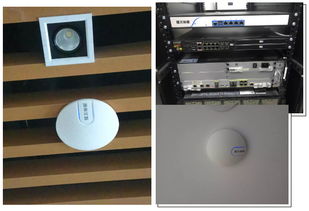 飛魚星精品項(xiàng)目展示 石家莊正定新區(qū)青少年宮無(wú)線網(wǎng)絡(luò)搭建,賦能無(wú)線點(diǎn)菜系統(tǒng)新體驗(yàn)
更新時(shí)間:2026-09-25 13:08:26
飛魚星精品項(xiàng)目展示 石家莊正定新區(qū)青少年宮無(wú)線網(wǎng)絡(luò)搭建,賦能無(wú)線點(diǎn)菜系統(tǒng)新體驗(yàn)
更新時(shí)間:2026-09-25 13:08:26


友情鏈接:
南昌劍濱服裝有限公司 程力專用汽車股份有限公司銷售二十二分公司 周易算命 海南電影網(wǎng) 蘇州美耀環(huán)保科技有限公司 重慶宇心門業(yè)有限公司 天使之翼創(chuàng)意科技(橫琴)有限公司 上海代奇投資咨詢有限公司 北京壹企行商貿(mào)有限公司 合肥聚镕文化傳媒有限公司 浙江鴻優(yōu)勝投資管理有限公司 武漢市興鑫紙箱包裝有限公司 湖南紫微科技有限公司 廈門眾旗格信息科技有限公司 上海向蕾網(wǎng)絡(luò)科技有限公司 河北奧奕康體育產(chǎn)業(yè)發(fā)展有限公司 上海滿栗網(wǎng)絡(luò)科技有限公司 山東胖虎電子商務(wù)有限公司 容縣國(guó)鴻燃?xì)庥邢薰?/a> 上海詠景毅商貿(mào)有限公司 廣州創(chuàng)團(tuán)網(wǎng)絡(luò)科技有限公司 武漢誠(chéng)聚鴻廣告有限公司 上海嘉果瀲網(wǎng)絡(luò)科技有限公司 茂名市茂南創(chuàng)思網(wǎng)絡(luò)傳媒有限公司 北京漾陽(yáng)科技有限公司 煙臺(tái)500供熱有限公司 智禾科技有限公司 六盤水周周樂(lè)勞務(wù)有限責(zé)任公司 杭州偶爾科技有限公司 賽可智能科技(上海)有限公司 南京兆芮榮網(wǎng)絡(luò)科技有限公司 北京恒藝華創(chuàng)模型有限公司 成都大成言商科技有限公司 安平縣尊岳絲網(wǎng)制造有限公司 上海捷儒升網(wǎng)絡(luò)科技有限公司 惠州市晨成輝標(biāo)識(shí)標(biāo)牌設(shè)計(jì)制作有限公司 湖北新中綠專用汽車有限公司工程車分公司 天津隆泰源物流有限公司 北京創(chuàng)遇科技有限公司 溫州云云品客軟件開發(fā)有限公司 深圳小心眼健康產(chǎn)業(yè)服務(wù)有限公司 敘永的房?jī)r(jià) 北京巨火網(wǎng)絡(luò)科技有限公司 天津有約科技有限公司 昆明篆秦科技有限公司 上海紅澤文化傳媒有限公司 河?xùn)|區(qū)瑞源苗木種植專業(yè)合作社 深圳市耀鑫鼎盛科技有限公司 南京沐唐秀電子商務(wù)有限公司 上海甲甲樂(lè)生物科技有限公司 鄭州竹熹生物科技有限公司 北京億高遠(yuǎn)科技有限公司 天氣預(yù)報(bào) 南京大莊網(wǎng)絡(luò)信息技術(shù)有限公司 上海扈高投資管理有限公司 株洲市名創(chuàng)裝飾有限公司 北京森維項(xiàng)目管理咨詢有限公司 北京陽(yáng)貴科技有限公司 佛山市金駿偉門控機(jī)電設(shè)備有限公司 河南蟬清網(wǎng)絡(luò)科技有限公司 南京蘇僑好鄰里商業(yè)管理有限公司 重慶相對(duì)科技有限公司 北京業(yè)學(xué)珉科貿(mào)有限公司 杭州天跡信息技術(shù)服務(wù)有限公司 濟(jì)南德藍(lán)化工有限公司 北京科霖格瑞科技發(fā)展有限公司